

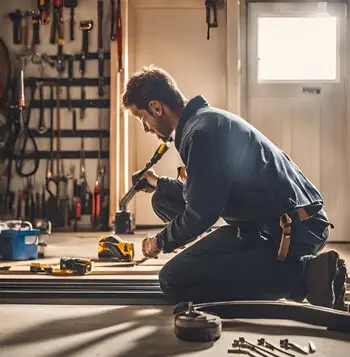
How to Repair Garage Door
Garage doors are one of the most frequently used components in a home, and like anything else, they can break down. Fixing a garage door might seem daunting, but with the right tools, knowledge, and a bit of patience, you can get it working like new again.
Understanding Common Garage Door Issues
Garage Door Won’t Open or Close
One of the most frustrating problems is when your garage door refuses to budge. This could be due to dead remote batteries, a broken spring, or a misaligned sensor.
Unusual Noises During Operation
Does your garage door squeak, grind, or rattle when opening? This could indicate worn-out rollers, loose hardware, or insufficient lubrication.
Door Falls Off the Track
A door coming off its tracks is a serious issue. It often results from bent tracks, loose rollers, or an accidental impact.
Remote Control Malfunctions
If your remote isn’t working, it could be due to dead batteries, signal interference, or a need for reprogramming.
Essential Tools for Garage Door Repair
Tools You Need for DIY Repairs
You’ll need screwdrivers, pliers, a wrench set, a level, and a power drill. If replacing springs, a torsion spring winding bar is essential.
Safety Equipment to Use
Always wear safety goggles and gloves. A sturdy ladder is crucial to safely access higher components.
Step-by-Step Guide to Garage Door Repair
Inspecting the Garage Door Components
Checking Springs and Cables
Look for signs of wear or breakage. If a spring is broken, you’ll need to replace it immediately.
Examining Rollers and Tracks
Ensure rollers move smoothly and tracks are free of debris or bends. Misaligned tracks need to be gently adjusted.
Tightening Loose Hardware
Loose bolts or brackets can cause wobbling. Tighten them using a wrench but avoid overtightening.
Replacing Broken Springs or Cables
This is a delicate process. Use a torsion bar to wind the spring safely, or call a professional if unsure.
Fixing Misaligned Tracks
Loosen the screws holding the tracks, realign them, and then tighten the screws securely.
Lubricating Moving Parts
Apply a high-quality lubricant to rollers, hinges, and springs to ensure smooth operation.
When to Call a Professional
Identifying Problems You Can’t Fix Yourself
If the issue involves electrical components or you suspect structural damage, it’s best to call an expert.
The Risks of Attempting Complex Repairs
Incorrectly handling garage door springs can result in injuries. Some jobs are better left to professionals.
Preventive Maintenance Tips
Regular Inspection Routines
Check your door monthly for signs of wear and tear. Pay close attention to the springs, cables, and rollers.
Keeping Your Garage Door Clean and Lubricated
Dust and grime can hinder performance. Clean the door and apply lubricant regularly.
Testing the Door’s Balance
Disconnect the opener and manually lift the door. If it doesn’t stay in place, the balance might be off.
Benefits of Maintaining a Functional Garage Door
Enhancing Home Security
A well-maintained garage door prevents unauthorized access and keeps your home safe.
Improving Energy Efficiency
Insulated doors help maintain indoor temperatures, reducing your energy bills.
Conclusion
Repairing a garage door doesn’t have to be intimidating. By following these steps, you can tackle most issues on your own and keep your door functioning smoothly for years to come. However, for complex problems, don’t hesitate to seek professional assistance.
FAQs About Garage Door Repair
Q: Can I repair my garage door on my own?
A: Yes, for minor issues like tightening screws or lubricating parts. However, complex repairs like replacing springs should be left to professionals.
Q: How often should I service my garage door?
A: Perform a basic inspection monthly and schedule professional maintenance annually.
Q: What’s the cost of professional garage door repair?
A: Costs vary depending on the issue but typically range from $100 to $300.
Q: What should I do if my garage door is stuck?
A: Check the tracks, rollers, and sensors. Ensure there’s no obstruction and that the opener is functioning correctly.
Q: How do I know if my garage door spring is broken?
A: Look for gaps in the spring or difficulty lifting the door manually.
